



The Hardware of Tomorrow
South Carolina’s next manufacturing story may be hiding inside the things everybody else builds: copper rod, rare-earth magnets, transmission hardware and the miles of cable required to keep an increasingly electrified economy connected.
Moving Up the Supply Chain
In Blacksburg, USA Rare Earth plans to invest approximately $1.2 billion in a Cherokee County advanced manufacturing campus. The operation will produce refined rare-earth metals and neodymium-iron-boron permanent magnets, components used in commercial manufacturing and defense technologies. Production is expected to begin in April 2028.
That matters because the factory sits much farther upstream than the finished products most consumers recognize. Magnets and refined metals rarely get top billing, but modern manufacturing depends on them.
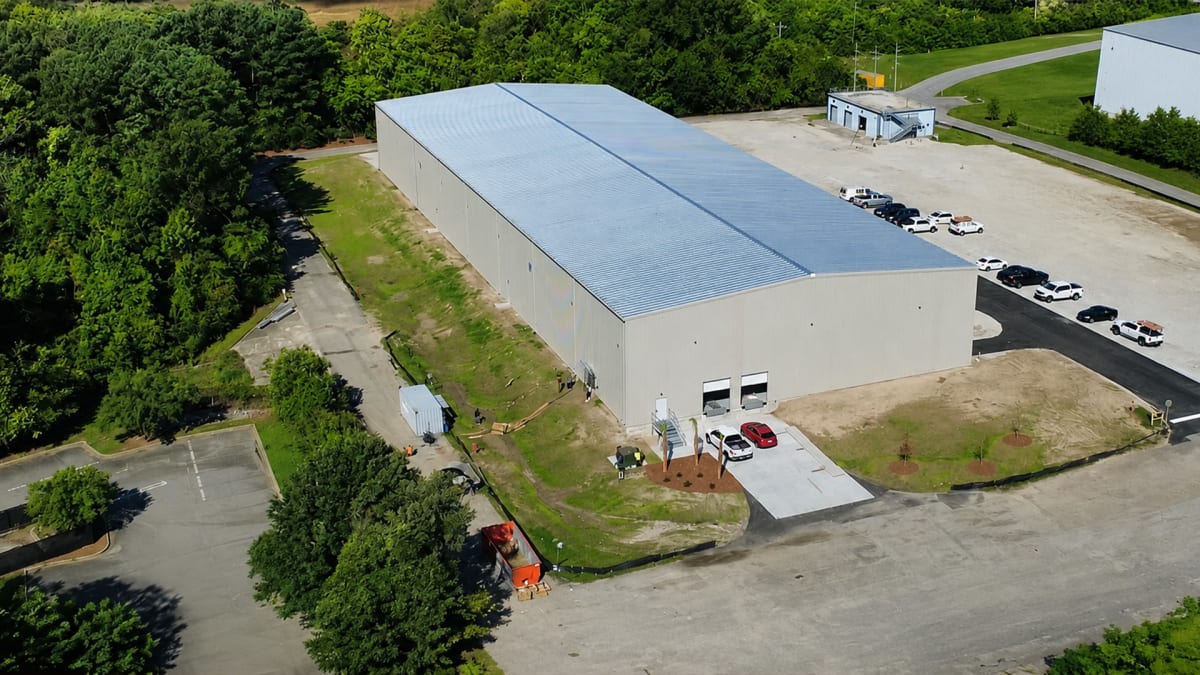
The same logic is showing up in North Charleston, where Red Metals is investing $70 million in its first production operation. The 42,000-square-foot facility will turn copper raw materials into high-conductivity copper rod for wire, cable and other electrical uses, with operations expected to begin in late 2026.
Copper is the kind of material hiding everywhere in plain sight, running through electrical infrastructure, data centers and manufacturing equipment. Making more of the material domestically can also shorten the distance between raw supply and the industries waiting to use it.
From Metal to the Grid
The pattern continues in Oconee County. Austrian manufacturer Mosdorfer is establishing its first U.S. operation in Westminster, where it will machine, fabricate, assemble and test hardware for high-voltage transmission lines. The $44.55 million project fits neatly into South Carolina’s growing advanced manufacturing base because those components sit between power generation and the places electricity ultimately needs to go.
Then there is Prysmian Group North America in Lexington. Its South Carolina history stretches back decades, with operations tied to both energy and telecommunications cable. That established cable industry gives the newer investments some useful context: the state is developing multiple links in the same industrial chain rather than collecting unrelated factory announcements.
Rare-earth metals become magnets. Copper becomes wire. Hardware supports transmission lines. Cable moves electricity and data where they need to go.
South Carolina has long known how to assemble finished products. Increasingly, it is learning to make the less glamorous pieces those products cannot function without. Somewhere between the raw material and the power switch, more of America’s industrial future may soon carry a South Carolina address.
For a closer look at the manufacturers already making things across the state, explore the Guide to South Carolina directory at https://guidetosouthcarolina.com/manufacturing.