



Scrubs Get Serious Funding!
Across much of South Carolina, access to health care often depends on where you live. Larger cities have hospitals, specialists, and clinics within easy reach. Drive into rural counties across the Upstate, Pee Dee, or Lowcountry, and options can shrink quickly. A new investment at Clemson University School of Nursing aims to change that while strengthening the state’s health care workforce in the process.
The program recently secured a $3.75 million federal grant to expand specialized training focused on rural health care delivery. The funding comes through the Health Resources and Services Administration (HRSA) and is designed to prepare nursing students for the realities of practicing in communities where hospitals may be far away and medical resources can run thin.
Learning Where the Need Is
The initiative brings together students from Clemson University and Tri-County Technical College while partnering with regional providers like Prisma Health. The goal is to create a training pipeline that mirrors how health care actually works across Upstate communities.
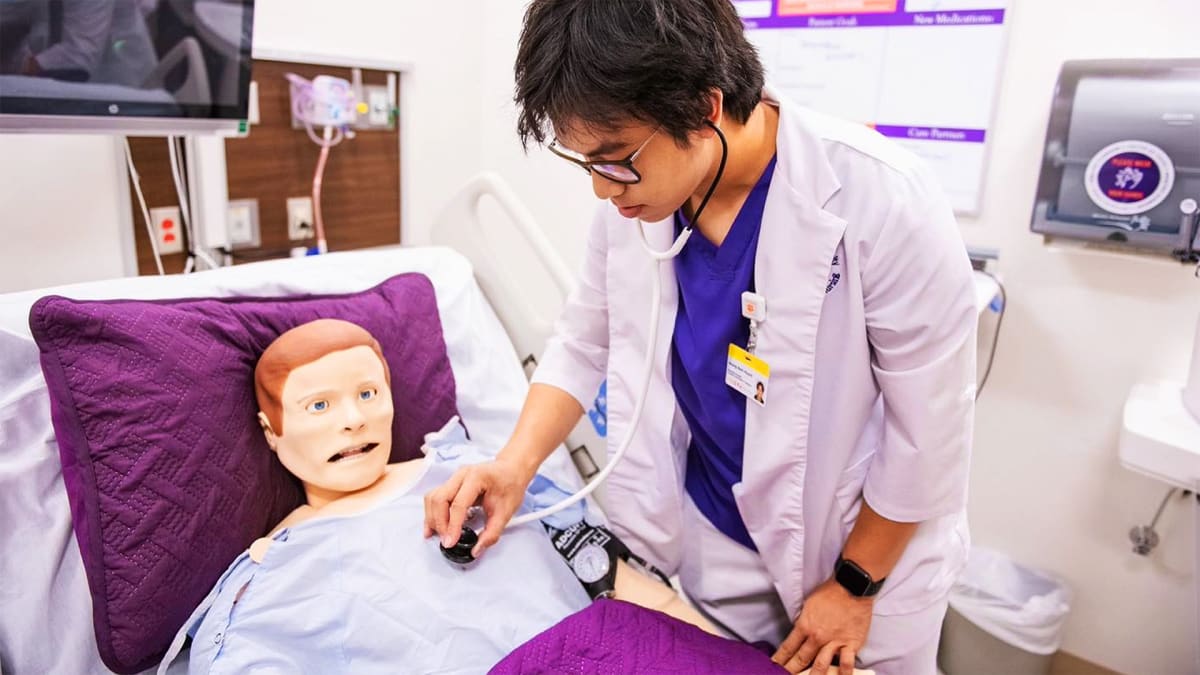
Students won’t spend all their time in classrooms. Instead, they’ll rotate through hospitals, long-term care facilities, and advanced simulation labs that replicate real patient scenarios common in rural communities. Training focuses on issues providers regularly encounter outside major metro areas, including chronic disease management, geriatric care, behavioral health needs, and patient education.
The program also introduces students to mobile health care delivery, an approach gaining traction in rural areas where transportation can keep patients from making regular appointments. Mobile clinics and community-based care allow nurses to bring services directly into neighborhoods that might otherwise go without.
For South Carolina’s workforce, the impact could stretch far beyond campus. Health systems across the state continue to face nursing shortages, and rural hospitals often feel that strain first. Programs like this help build a pipeline of graduates who already understand the communities they’ll serve.
And there’s a simple truth in health care training: when students learn in rural communities, they’re more likely to stay and build careers there. For many towns across South Carolina, that could mean stronger access to care and a new generation of nurses ready to serve close to home.
Discover more bold moves powering South Carolina’s health workforce at https://guidetosouthcarolina.com/health-medical.