



More Than Bratwurst and Beer
South Carolina’s Oktoberfest season comes with plenty of steins and sausage, but behind the polka music is something less borrowed: a German story that has been unfolding here for generations.
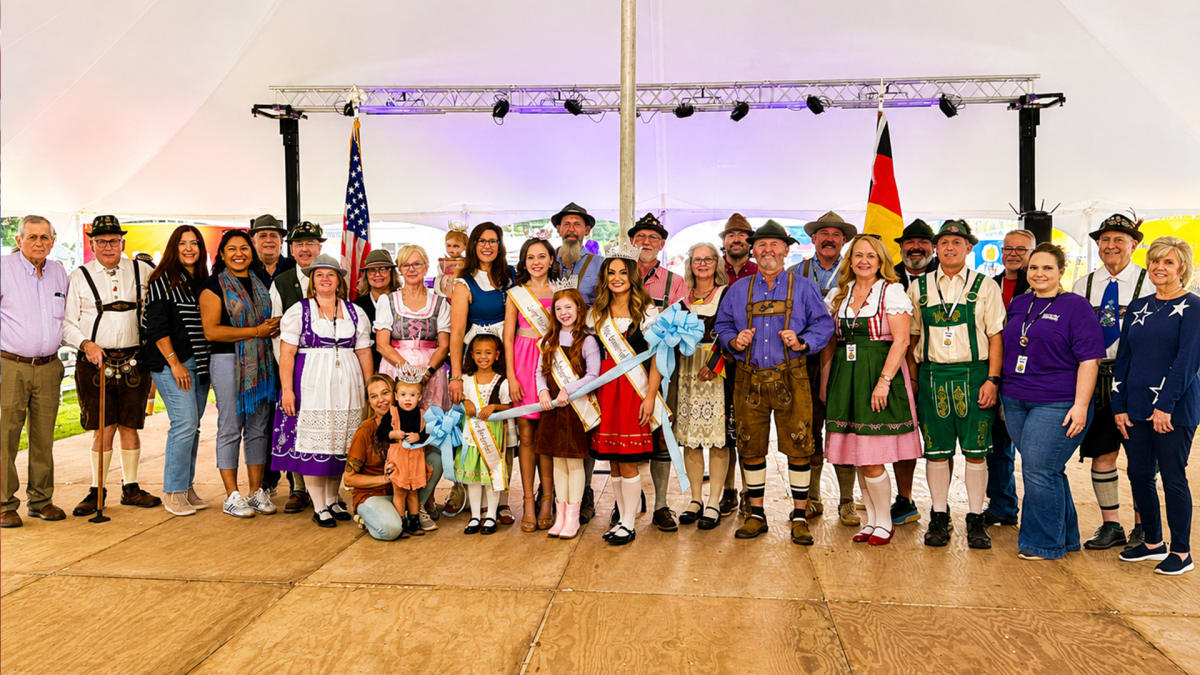
That story is especially easy to see in Walhalla, where the 47th Walhalla Oktoberfest returns October 16–18. The festival celebrates German heritage with bratwurst, German beer, polka music, dancing and plenty of familiar Oktoberfest trappings. But in Walhalla, the lederhosen have some historical backup.
According to the City of Walhalla’s history, German immigrants arrived in Charleston in 1850 and formed the German Colonization Society, led by General John A. Wagener. They eventually found a home in the Upstate and established the community that became Walhalla. More than 175 years later, Oktoberfest lands here less like an imported theme party and more like a family story that keeps getting retold.
A Tradition That Traveled
South Carolina’s German connections are not confined to one corner of the Upstate. On October 3, Newberry Oktoberfest takes over Historic Downtown Newberry with German food and brews, live music, a traditional German dress contest and a free Kinderfest zone. The festival openly frames the day as a celebration of Newberry’s German heritage, while its festival facts show how thoroughly that history has worked its way into a modern downtown gathering.
A week later, another branch of the tradition surfaces in the capital city. Oktoberfest Columbia runs October 9–11 at Incarnation Lutheran Church, where homemade German food, German beer, oompah bands and dancers share the grounds with a decidedly church-community sensibility.
That setting matters. Lutheran tradition is deeply connected to German history, and in Columbia, Oktoberfest is quite literally being kept alive by a congregation. Church members prepare German dishes and pastries, musicians fill the tents, and Sunday even includes worship before the afternoon festivities continue.
Taken together, these celebrations explain why Oktoberfest feels unusually comfortable in South Carolina. The festivals have evolved, naturally. There are kids’ activities, live entertainment and enough fall fun to fill a calendar. But underneath the modern festival tents are immigration stories, religious traditions and communities still choosing to remember where parts of their culture came from.
The beer may have crossed an ocean. The sense of belonging has had plenty of time to settle in.
For more festivals worth marking on the South Carolina calendar, browse the Guide to South Carolina directory at https://guidetosouthcarolina.com/festivals.