



A Label That Moves Product
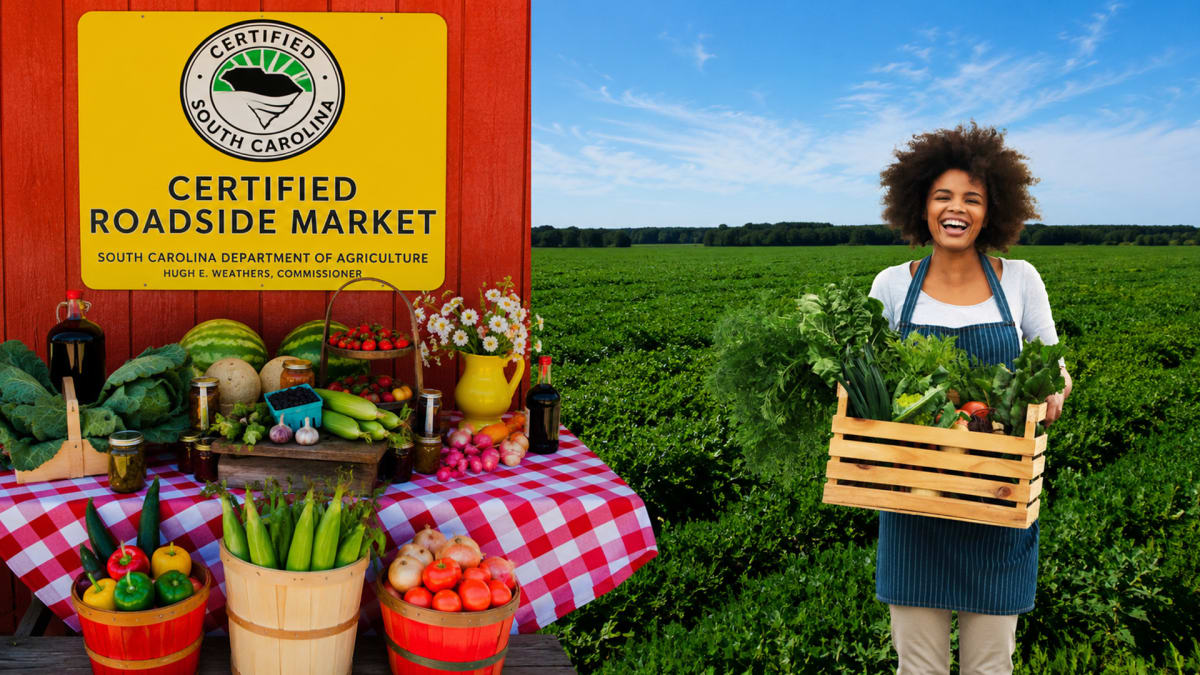
South Carolinians have gotten surprisingly good at spotting the Certified South Carolina logo in the wild. It shows up on peaches, grits, sauces, seafood, snack foods, and produce displays across the state like a quiet little badge of local pride tucked between price tags and shopping lists.
And over the last two decades, that small label has grown into something much larger than a marketing campaign.
Launched in 2006 by the South Carolina Department of Agriculture, the Certified South Carolina program has steadily become one of the state’s most visible economic connectors, linking farms, food producers, retailers, processors, and wholesalers under one recognizable statewide identity. In practical terms, it helps consumers quickly identify products that were grown, raised, or made right here in South Carolina. In business terms, it has quietly become a serious economic tool.
That matters in a state where agriculture still shapes enormous portions of the economy and daily life. South Carolina is home to more than 22,000 farms spread across millions of acres, which means the distance between “local business” and “local food” is often a lot shorter than people realize.
From Farm Fields to Retail Shelves
For producers, earning the Certified SC label is more than a branding exercise. Businesses have to meet USDA or FDA quality standards before using the designation on approved products, giving the program a layer of accountability that helps strengthen consumer trust.
The result is a network that feels increasingly coordinated at a time when many consumers are actively paying attention to where their food comes from and who benefits from those purchases.
A peach grower in the Upstate, a sauce company in the Midlands, and a seafood operation along the coast may all operate in completely different corners of the state, but the program helps place them into the same larger economic conversation. Trade shows, retail partnerships, and networking opportunities like the annual Certified South Carolina Showcase continue creating ways for businesses to connect directly with buyers and distributors who might otherwise never cross paths.
There’s also a broader financial ripple effect underneath all of it. Encouraging consumers, restaurants, schools, and retailers to buy South Carolina products keeps more money circulating inside the state economy rather than immediately sending those dollars elsewhere.
That local-first mentality has become especially visible as South Carolina’s food scene continues evolving beyond traditional expectations. The state’s agricultural industry increasingly includes specialty food makers, artisan producers, packaged goods companies, and niche manufacturers that are building recognizable brands far beyond county lines.
Which is part of why the Certified South Carolina logo keeps gaining traction. It signals quality, certainly. But it also represents something increasingly valuable in modern business: a statewide network that knows how to collaborate, promote itself, and grow together.
Hungry for more fresh finds? Check out just where you can find it at https://guidetosouthcarolina.com/fresh-produce-farmers-markets